
Hair Dye Color Guide: A Comprehensive Plan (Updated 12/04/2025)
Navigating the world of hair dye can be complex! This guide simplifies the process, helping you match your hair color to your skin tone for radiant results.
Understanding levels, undertones, and depth is key to avoiding a washed-out look and achieving your dream shade.
We’ll explore hair color charts and specific recommendations for cool, warm, and neutral complexions.
Understanding Hair Color Levels (1-10)
Hair color levels are a universal system used to categorize the lightness or darkness of hair, ranging from 1 to 10. This scale is crucial for accurately describing your current shade and selecting the right dye. Level 1 represents the darkest black, while level 10 signifies the lightest blonde.

Here’s a breakdown:
- Level 1: Black
- Level 2: Dark Brown
- Level 3: Medium Brown
- Level 4: Light Brown
- Level 5: Dark Blonde
- Level 6: Medium Blonde
- Level 7: Light Blonde
- Level 8: Very Light Blonde
- Level 9: Pale Yellow
- Level 10: Lightest Blonde/Platinum
Knowing your current level is the first step. Professionals use this system to ensure consistent results. When choosing a dye, the number indicates how much lift (lightening) is required. Accurately identifying your level, alongside your skin’s undertone, is vital for a harmonious and flattering color.
Determining Your Current Hair Color Level
Accurately identifying your current hair color level is fundamental to achieving your desired shade. Start by comparing your hair to a hair color chart – many are available online. In natural light, assess your hair’s shade against the levels 1-10. If your hair appears darker than a medium brown, you’re likely a level 3 or lower.
If it’s lighter than a light brown, you’re probably a level 5 or higher. Consider whether your hair has been previously colored, as this can affect the assessment. If unsure, compare your hair to strands of known levels.
This serves as your starting point for any color change.
Explore subtle variations – shades slightly lighter or darker than your current color can create a noticeable difference. Remember, a precise assessment ensures you select a dye that will deliver the intended result, avoiding unwanted tones or insufficient lift.
Identifying Your Skin Undertone: Cool, Warm, or Neutral
Understanding your skin undertone – whether it’s cool, warm, or neutral – is crucial for harmonious hair color selection. A simple test involves examining the veins on your wrist. Blue or purple veins typically indicate a cool undertone, while green veins suggest a warm undertone.
If you can’t definitively determine the color, you likely have a neutral undertone. Another method is to observe how your skin reacts to gold and silver jewelry. Silver tends to look better on cool undertones, while gold complements warm undertones.
Neutral skin tones can pull off both!
Knowing your undertone ensures the hair color enhances, rather than clashes with, your complexion. This foundational step prevents a washed-out appearance and unlocks your most flattering shades.
Hair Color for Cool Skin Tones
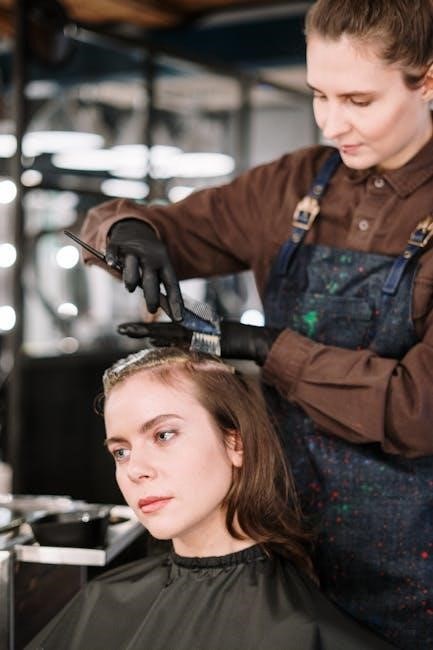
For those with cool skin undertones, the goal is to choose hair colors that complement your complexion’s bluish or pinkish hues. Generally, shades with cool bases – think ash, violet, or blue – will be most flattering. Avoid overly warm tones like gold or copper, as they can create disharmony.

When considering red hair, opt for deep cherry shades with purple undertones. These will enhance your natural coloring without washing you out. Brunettes with cool undertones shine in optimal shades like ash brown or cool black.
These colors create a sophisticated and balanced look. Remember, the key is to maintain a cool base to harmonize with your skin’s undertones, resulting in a vibrant and radiant appearance.
Best Red Shades for Cool Undertones
If you have cool skin undertones and desire red hair, selecting the right shade is crucial. Avoid reds with strong orange or golden bases, as these can clash with your complexion. Instead, focus on reds with violet or burgundy undertones. These cooler reds will harmonize beautifully with your skin, creating a vibrant and flattering look.
Deep cherry shades are particularly stunning, offering a rich and sophisticated hue. Consider shades like burgundy, plum, or even a cool-toned mahogany. For radiant results, these shades work best on hair color levels 8-4.
Trieste Red (5NRM), with its red-mahogany tones, is an excellent option, offering a chocolate cherry result that complements most skin tones and enhances green-hazel eyes.
Optimal Brunette Shades for Cool Undertones
For those with cool undertones seeking brunette shades, richness and depth are your allies. While many colors can suit your skin, richer and darker shades generally create the most striking and harmonious appearance. Steer clear of warm, golden-brown hues that might wash you out or appear unnatural against your complexion.
Consider cool-toned browns with hints of ash or violet. These undertones will complement your skin’s coolness, enhancing your natural beauty. Chocolate browns, espresso shades, and even deep, cool-toned auburns can be incredibly flattering.
Remember to avoid going more than three shades lighter than your natural hair color, as this can lead to a washed-out effect. Explore the diverse range of brunette shades to find the perfect tone that enhances your features and reflects your personal style.
Hair Color for Warm Skin Tones
Individuals with warm skin tones possess a golden, yellow, or peachy undertone, and selecting hair color that complements this warmth is crucial. The goal is to enhance your natural radiance, avoiding shades that clash or create a dull complexion. Generally, warm-toned hair colors will harmonize beautifully with your skin.
Think about shades with golden, caramel, or copper undertones. These hues will bring out the warmth in your skin, creating a healthy and vibrant glow. Rich, warm browns and honey blondes are excellent choices. When considering red shades, opt for those with cherry or purple-based undertones, as these will best complement your complexion.
Remember, matching your hair color to your skin tone ensures a harmonious and flattering look. Explore different variations within the warm-toned spectrum to discover your perfect shade!
Cherry and Purple-Based Reds for Warm Undertones
For those with warm skin tones seeking a vibrant red, cherry and purple-based shades are exceptionally flattering. These reds possess a depth and richness that complements the golden undertones in your skin, preventing a clash that can sometimes occur with cooler, bluer reds.
The purple undertones soften the intensity of the red, creating a more harmonious and natural-looking result. These shades add warmth and luminosity to the complexion, enhancing your natural glow. Look for descriptions like “cherry mahogany” or “plum red” when selecting a dye.
These reds are particularly radiant on hair color levels 8-4, meaning from light brown to dark brown. Remember to consider your current hair color level when choosing a shade to ensure optimal results and avoid unwanted tones.
Rich and Darker Brunette Shades for Warm Undertones
Warm skin tones truly shine with richer, darker brunette shades. These hues enhance the natural warmth of the complexion, creating a balanced and harmonious look. Avoid ashy or cool-toned brunettes, as they can wash out warm skin, leaving it appearing dull.
Instead, opt for shades with golden, caramel, or reddish undertones. Chocolate browns, warm chestnuts, and mahogany brunettes are excellent choices. These shades add depth and dimension to your hair while beautifully complementing your skin’s natural glow.
For the most striking effect, richer and darker shades are definitely the most flattering. Explore different brunette tones for further inspiration, remembering to stay within three shades of your natural hair color to avoid a drastically different, potentially unflattering result.
Hair Color for Neutral Skin Tones
Neutral skin tones enjoy the most versatility when it comes to hair color! This means you can experiment with a wider range of shades, from cool to warm, without fear of clashing with your complexion. However, it’s still important to consider the depth and intensity of the color.
Generally, neutral skin tones can pull off both cool and warm-toned brunettes, as well as a variety of reds and even some blondes. The key is to avoid colors that are too overpowering or too muted. A balanced approach works best.
Experimenting with shades like Trieste Red (5NRM), which complements most skin tones, is a great starting point. Remember to accurately assess your current hair color level to achieve the desired result.
Avoiding Washed-Out Looks: Staying Within 3 Shades
A common mistake when dyeing hair is choosing a color drastically different from your natural shade. This can often lead to a “washed-out” appearance, where your complexion looks pale or unhealthy. To prevent this, a general rule of thumb is to stay within three shades lighter or darker than your current hair color.
This principle is especially important when considering lighter shades. Going too light too quickly can emphasize imperfections and make your skin look sallow. Gradual changes are always more flattering.
Remember to accurately determine your current hair color level using a hair color chart as a reference point. This will help you choose a shade that complements your skin tone without being overly dramatic or unflattering. Subtle changes often yield the most natural and harmonious results.
The Importance of Matching Hair Color to Skin Tone

The key to a truly flattering hair color lies in harmonizing it with your skin tone. Choosing a shade that clashes with your complexion can result in a dull or unbalanced appearance, regardless of how trendy the color may be.
Your skin tone – whether cool, warm, or neutral – dictates which hair colors will enhance your natural beauty. Cool skin tones generally pair well with cooler shades, while warm skin tones benefit from warmer hues. Neutral tones offer more versatility.
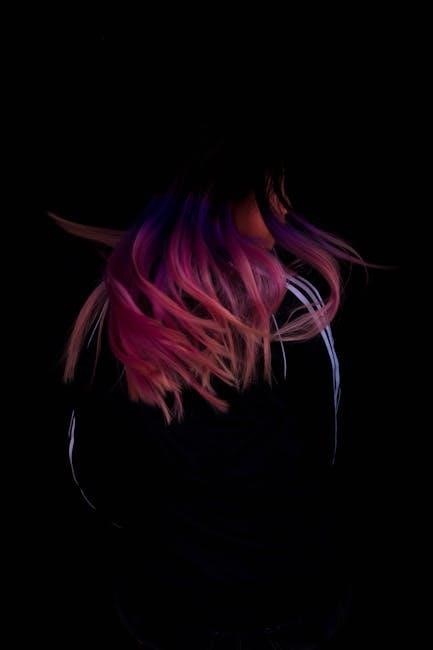
Understanding your undertone is crucial. This guide will walk you through identifying your undertone and selecting shades that complement it. Matching your hair color to your skin undertone ensures a vibrant, healthy, and radiant look. Don’t underestimate this step!
Exploring Color Variations: Subtle vs. Dramatic Changes
Deciding on the extent of your hair color transformation is a significant step. Are you seeking a refreshingly subtle change, or a bold, head-turning statement? Both approaches have their merits, depending on your personality and desired outcome.
Subtle changes, like moving one or two shades lighter or darker, can enhance your natural color without a drastic overhaul. These variations are often easier to maintain and blend seamlessly with your existing hue. Explore shades slightly different than your current color.
Dramatic changes, such as going from brunette to blonde or embracing a vibrant red, offer a complete transformation. However, they often require more maintenance and may necessitate professional coloring to achieve optimal results and minimize damage. Consider your lifestyle and commitment level before opting for a dramatic shift.
Hair Color Charts: A Visual Guide
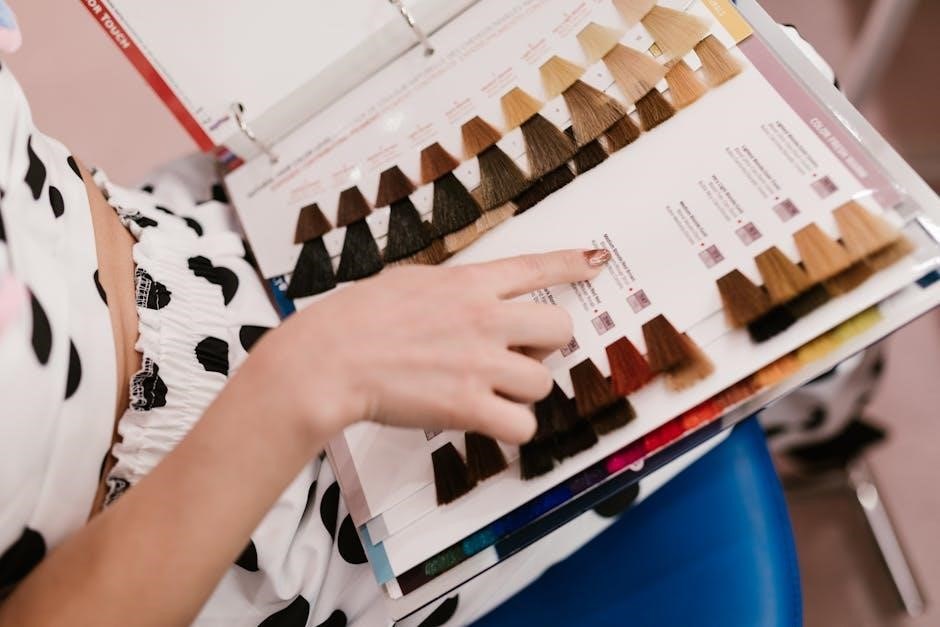
Hair color charts are indispensable tools for navigating the vast spectrum of shades available. These charts visually represent hair color levels, from the darkest black (level 1) to the lightest blonde (level 10), and showcase a range of tones within each level.
Understanding these charts begins with identifying your current hair color level. This serves as your starting point for determining how much lift or deposit you’ll need to achieve your desired shade. Charts also illustrate undertones – warm, cool, or neutral – which are crucial for selecting a color that complements your skin tone.
Utilize charts to visualize the potential outcome of your color choice. They provide a realistic preview, helping you avoid unexpected results. Remember to consider both depth (how dark or light the color is) and tone (the underlying hue) when interpreting the chart.
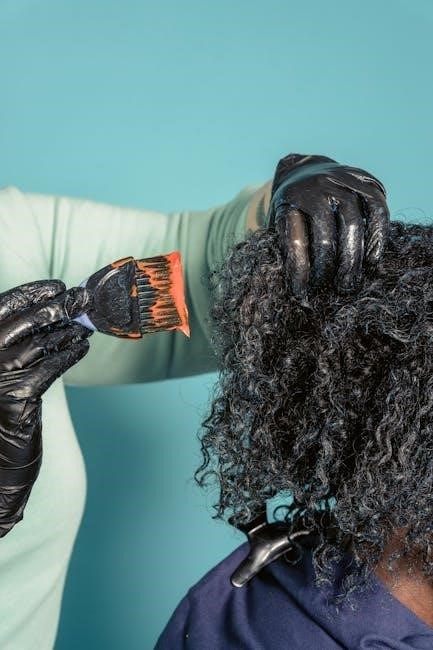
Trieste Red (5NRM): A Versatile Shade
Trieste Red (5NRM) is a captivating shade, celebrated for its adaptability and flattering effect on a wide range of skin tones. This isn’t a fiery, bold red, but rather a sophisticated, natural-looking hue with red-mahogany undertones, creating a beautiful chocolate cherry result.
Its versatility stems from its balanced formulation, incorporating a natural base that prevents it from appearing overly artificial. This shade particularly enhances green or hazel eyes, bringing out their vibrancy and depth. For optimal results, Trieste Red shines on hair color levels 7-3, offering rich, radiant color.
Considered our deepest and coolest red tone, it’s an excellent choice for those seeking a noticeable yet wearable change. It’s a testament to how a well-balanced red can complement, rather than clash with, various complexions.
Understanding Hair Color Depth and Lightness
Accurately describing hair color is crucial for achieving your desired result. Hair color isn’t just about the tone (red, blonde, brunette); it’s also about depth and lightness, represented by levels 1-10. This system provides a universal language for stylists and consumers alike.
Level 1 signifies the darkest black, while Level 10 represents the lightest blonde. Each number denotes a distinct level of lift, or how light the hair color is. Understanding your current hair level is the first step in choosing the right dye.
Consider this: if your natural hair is a Level 5 (medium brown), and you aim for a Level 8 (light blonde), significant lightening will be required. Knowing these levels helps predict the process and potential damage.
The chart provides a visual guide to these levels, aiding in precise color selection.
Choosing the Right Dye Color Based on Hair Level
Once you’ve determined your current hair level, selecting a dye becomes more focused. The ideal color depends on how much lighter or darker you want to go, and your skin’s undertone. Remember, drastic changes often require professional assistance to maintain hair health.
For example, if you’re starting at Level 3 (dark brown) and desire a Level 7 (dark blonde), multiple lightening sessions might be necessary. Conversely, going darker is generally easier and less damaging.
The hair color chart is invaluable here, showcasing how different shades appear at various levels. It’s crucial to consider the underlying pigments; lifting color reveals warmer tones.
Always patch test before full application to ensure the color develops as expected on your hair’s specific texture and porosity.
Red Hair and Warm Skin Tones: Specific Recommendations
For those with warm skin tones desiring red hair, depth and undertone are paramount. Avoid cool, ashy reds, as they can clash with golden undertones, creating a washed-out appearance.
Instead, lean towards deep cherry shades with noticeable purple undertones. These complement warm complexions beautifully, enhancing natural radiance. Ideal hair levels for these shades range from 8 to 4, allowing the color to truly shine.
Consider shades like copper, auburn, or even a rich mahogany with red reflects. These bring warmth to the face and harmonize with your skin.
Trieste Red (5NRM), with its chocolate cherry result, is a versatile option, enhancing green-hazel eyes and suiting most skin tones within the warm family.
Brunette Shades: Further Inspiration
Brunette shades offer incredible versatility, ranging from cool-toned ash browns to warm, golden highlights. For a striking look, especially with warmer skin tones, richer and darker shades are exceptionally flattering. Explore the spectrum beyond a single “brunette” – consider chocolate, mocha, or even espresso tones.
Don’t be afraid to incorporate subtle dimension with balayage or highlights. Caramel or honey highlights can add warmth and brightness, while cooler-toned babylights offer a softer, more natural effect.
Remember, avoiding shades three levels lighter than your natural color prevents a washed-out appearance. Experiment with different depths and tones to find the perfect brunette that complements your complexion and personal style.
Further research into specific brunette tones will unlock a world of possibilities!