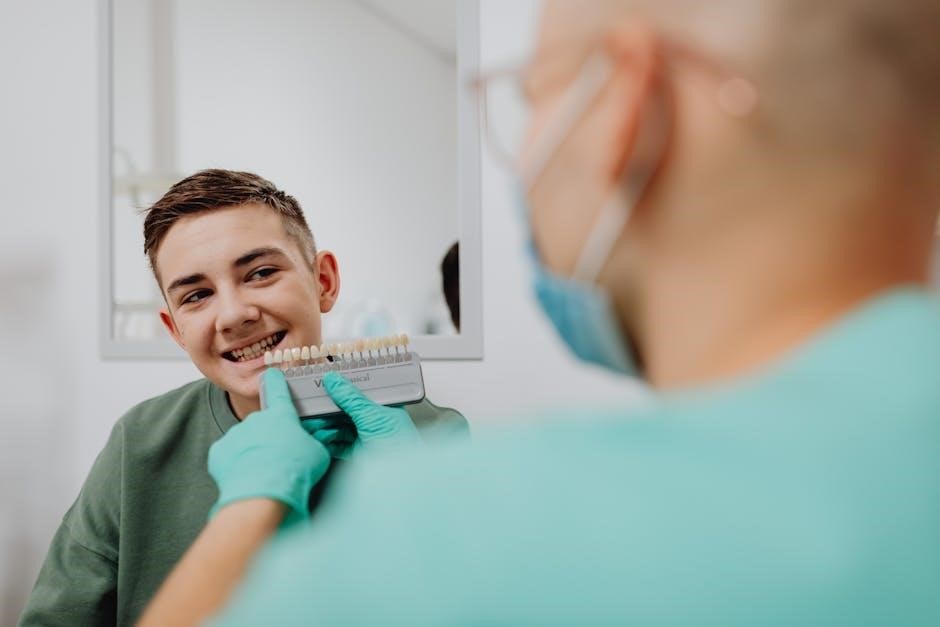
Ivoclar Shade Guide: A Comprehensive Overview (Updated 04/15/2026)
Ivoclar Vivadent’s Digital Assistant Shade Guide features 16 basic A-D shades and four modern bleach shades (BL1-BL4)‚ offering practical tools for dental professionals.
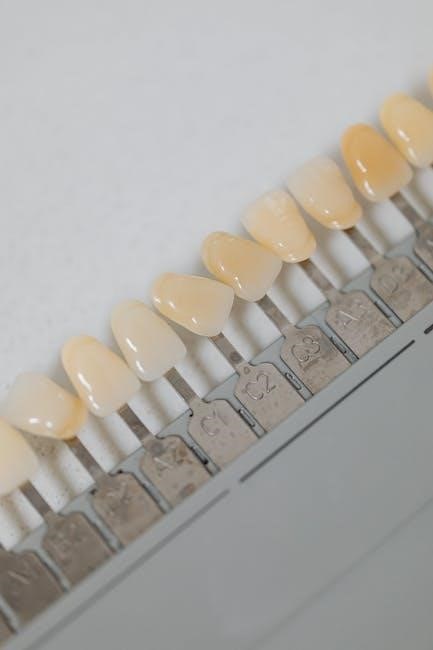
Ivoclar shade guides represent a cornerstone in restorative dentistry‚ meticulously designed to facilitate accurate and consistent shade matching for dental restorations. These guides‚ particularly the Ivoclar Digital Assistant Shade Guide‚ encompass a spectrum of 16 basic shades ranging from A to D‚ alongside four modern bleach shades – BL1 through BL4. This comprehensive range caters to diverse patient needs and ensures aesthetic outcomes.
Developed by Ivoclar Vivadent‚ these systems aren’t merely tools; they are integral to achieving lifelike restorations. They empower dentists and dental technicians with a practical and reliable method for selecting the optimal shade‚ ultimately enhancing patient satisfaction and the overall quality of dental work. The guides are designed for ease of use and represent an ideal solution for precise shade determination.
The Importance of Accurate Shade Selection
Accurate shade selection is paramount in restorative dentistry‚ directly impacting the aesthetic success and patient satisfaction of dental treatments. Utilizing Ivoclar shade guides‚ like the Digital Assistant version with its A-D and BL1-BL4 shades‚ minimizes discrepancies between the restoration and natural dentition. A poorly matched shade can render an otherwise technically proficient restoration visually unappealing and noticeable.
Beyond aesthetics‚ precise shade matching contributes to a harmonious smile and a natural appearance. The Ivoclar systems provide dentists and technicians with the tools to achieve this‚ ensuring restorations blend seamlessly with the surrounding teeth. Investing time in meticulous shade selection‚ guided by these systems‚ ultimately elevates the quality and longevity of the restorative work‚ fostering patient confidence.
Ivoclar Vivadent Shade Systems: An Overview
Ivoclar Vivadent offers a comprehensive range of shade systems designed to facilitate accurate color matching in restorative dentistry. These systems encompass both traditional and digital approaches‚ catering to diverse workflows and preferences. The Ivoclar Digital Assistant Shade Guide‚ featuring 16 basic shades (A-D) and 4 bleach shades (BL1-BL4)‚ represents a modern solution.
Alongside digital options‚ Ivoclar provides physical shade guides like IPS Empress and SR ISOLITE‚ each meticulously crafted to replicate natural tooth hues. These systems are compatible with various Ivoclar materials‚ including Tetric composites‚ IPS Empress Esthetic‚ and Telio Cerapearl‚ ensuring consistent and predictable results. The goal is to provide clinicians with reliable tools for achieving optimal aesthetic outcomes.
Types of Ivoclar Shade Guides
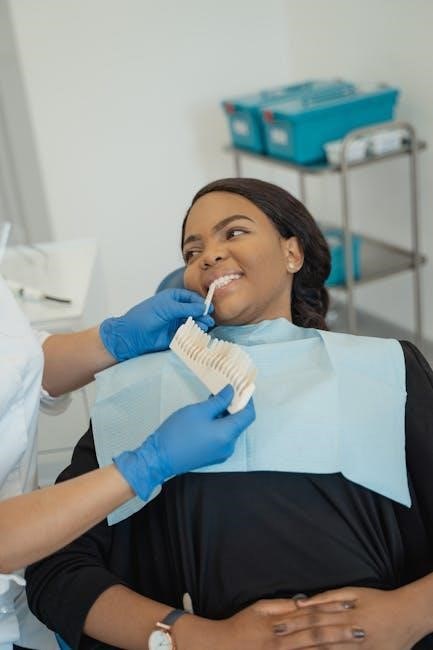
Ivoclar presents diverse shade guides: Digital Assistant‚ IPS Empress‚ SR ISOLITE‚ and Telio‚ each designed for precise shade selection and restorative accuracy.
Ivoclar Digital Assistant Shade Guide
The Ivoclar Digital Assistant Shade Guide represents a modern approach to shade selection‚ incorporating technology for enhanced precision and efficiency. This guide features a comprehensive array of 16 basic shades‚ ranging from A to D‚ alongside four contemporary bleach shades‚ designated BL1 through BL4.
Designed with practicality in mind‚ the Digital Assistant Shade Guide serves as an ideal tool for both dentists and dental technicians. It streamlines the shade-matching process‚ offering a user-friendly experience and reliable results. The guide’s construction and shade distribution are carefully calibrated to mimic natural tooth coloration‚ facilitating accurate aesthetic restorations.
Its digital integration allows for seamless data transfer and compatibility with various dental software‚ further enhancing workflow efficiency and minimizing potential errors in shade communication. This system is a cornerstone of modern restorative dentistry‚ promoting predictable and aesthetically pleasing outcomes.
Ivoclar IPS Empress Shade Guide
The Ivoclar IPS Empress Shade Guide is a meticulously crafted system designed for precise shade determination when utilizing IPS Empress restorative materials. This guide facilitates achieving highly aesthetic and natural-looking restorations‚ mirroring the optical properties of natural teeth. It encompasses a range of shades carefully selected to cover the spectrum of human dentition‚ ensuring accurate matching for diverse patient needs.
The Empress Shade Guide is renowned for its reliability and consistency‚ providing dental professionals with a dependable tool for predictable outcomes. Its systematic organization and clear shade differentiation simplify the selection process‚ minimizing subjective interpretation.
Furthermore‚ the guide’s compatibility with the IPS Empress system ensures harmonious integration‚ optimizing the aesthetic potential of these high-quality restorative materials. It remains a gold standard in shade matching for ceramic restorations.
Ivoclar SR ISOLITE Shade Guide
The Ivoclar SR ISOLITE Shade Guide is specifically engineered to facilitate accurate shade selection when employing SR ISOLITE composite materials. This guide is crucial for achieving lifelike restorations that seamlessly blend with the surrounding dentition. It features a comprehensive array of shades‚ meticulously calibrated to replicate the natural chromatic variations found in teeth.
Designed with practicality in mind‚ the SR ISOLITE Shade Guide allows dental professionals to efficiently navigate the shade selection process‚ minimizing chairside time and maximizing patient satisfaction. Its robust construction ensures durability and long-term reliability.
The guide’s compatibility with SR ISOLITE composites guarantees optimal aesthetic results‚ enabling clinicians to create restorations that exhibit exceptional color stability and translucency. It’s a vital tool for predictable and aesthetically pleasing outcomes.
Ivoclar Telio Shade Guide
The Ivoclar Telio Shade Guide is meticulously designed to assist dental professionals in achieving precise shade matching when utilizing Telio Cerapearl and Telio Lab materials. This guide is paramount for creating highly aesthetic‚ tooth-colored restorations that harmonize seamlessly with the patient’s natural dentition. It encompasses a broad spectrum of shades‚ carefully curated to mimic the subtle chromatic nuances present in natural teeth.
The Telio Shade Guide prioritizes ease of use‚ streamlining the shade selection process and reducing chairside time. Its durable construction ensures longevity and consistent performance.
Optimal aesthetic results are guaranteed through the guide’s direct correlation with Telio materials‚ enabling clinicians to fabricate restorations exhibiting exceptional color fidelity and translucency. It’s an indispensable tool for predictable‚ beautiful outcomes.
Understanding the Shade Guide Components
Ivoclar shade guides incorporate basic (A-D)‚ bleach (BL1-BL4) shades‚ and consider hue‚ chroma‚ and value—essential elements for accurate‚ natural-looking restorative dentistry.
Basic Shades (A-D)
Ivoclar’s foundational shade range centers around the A-D system‚ representing the primary hue characteristics of natural teeth. Shade A denotes reddish-brown tones‚ commonly found in many natural dentitions‚ offering variations in chroma and value. Shade B exhibits yellowish-reddish hues‚ while shade C presents yellowish tones‚ often seen in more saturated teeth. Finally‚ shade D embodies grayish tones‚ frequently observed in older individuals or teeth with reduced translucency.
These basic shades serve as the starting point for shade selection‚ allowing clinicians to establish the dominant hue before refining the match with variations in chroma and value. The Ivoclar system provides multiple tabs within each letter category (A1‚ A2‚ A3‚ etc.) to account for subtle differences in brightness and saturation‚ ensuring a precise and individualized shade match for optimal esthetic results. Careful consideration of these nuances is crucial for achieving lifelike restorations.
Bleach Shades (BL1-BL4)
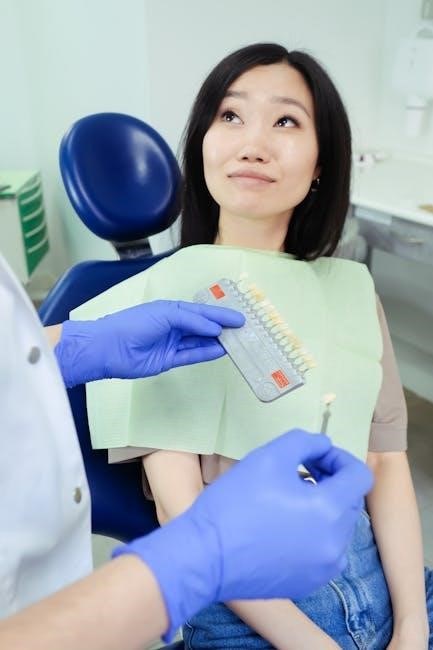
Ivoclar’s Bleach Shades (BL1-BL4) are specifically designed to replicate the lighter‚ brighter tones achieved through tooth whitening procedures. These shades address the increasing demand for esthetic restorations in patients who have undergone bleaching‚ offering a more accurate and harmonious match. BL1 represents the lightest and most saturated bleach shade‚ ideal for recently whitened teeth. BL2 and BL3 offer progressively less saturation‚ accommodating variations in whitening results and individual preferences.
BL4 provides a slightly warmer tone within the bleach range‚ suitable for patients who desire a more natural‚ less intensely bright appearance. Utilizing these dedicated bleach shades minimizes the need for custom mixing‚ streamlining the restorative process and ensuring predictable‚ esthetic outcomes. Accurate selection from the BL range is vital for restorations that seamlessly blend with bleached dentition.
Chromatic Value: Hue‚ Chroma‚ and Value
Understanding Hue‚ Chroma‚ and Value is fundamental to precise shade matching with Ivoclar systems. Hue refers to the basic color – yellow‚ red‚ or gray – and dictates the overall color family. Chroma represents the intensity or saturation of the hue; higher chroma indicates a more vivid color‚ while lower chroma signifies a more neutral tone. Value describes the lightness or darkness of the shade‚ ranging from light to dark.
Ivoclar shade guides systematically organize shades based on these three dimensions‚ allowing clinicians to pinpoint the most accurate match. Recognizing how these components interact is crucial; a slight shift in any one element can significantly alter the perceived shade. Mastering this chromatic understanding ensures restorations harmonize seamlessly with the surrounding dentition‚ achieving natural-looking esthetic results.
The Role of Molar Shades
Molar shades often present unique challenges in shade selection due to their larger size‚ varying translucency‚ and potential for staining. Ivoclar shade guides acknowledge this complexity by including dedicated molar shade tabs‚ recognizing that incisal and molar shades frequently differ within the same patient. These molar shades typically exhibit lower value and higher chroma compared to anterior teeth‚ reflecting their function and composition.
Accurate molar shade matching is vital for achieving a natural and harmonious restoration. Ignoring these distinctions can result in restorations that appear artificial or mismatched. Clinicians should carefully evaluate molar shades under appropriate lighting‚ considering the tooth’s position in the arch and individual patient characteristics when utilizing Ivoclar systems.
Using the Ivoclar Shade Guide Effectively
Effective utilization requires a systematic approach‚ proper lighting‚ hydration control‚ and awareness of metamerism to ensure precise shade replication with Ivoclar systems.

Step-by-Step Shade Selection Process
Begin by isolating the tooth and ensuring a clean‚ dry surface. Utilize the Ivoclar shade guide under standardized lighting – daylight is ideal‚ avoiding strong artificial sources. Systematically compare the guide tabs to the natural tooth‚ starting with the overall hue (A‚ B‚ C‚ or D).
Next‚ assess the chroma‚ or intensity of the color‚ selecting the appropriate shade within the chosen hue group. Finally‚ evaluate the value‚ or lightness/darkness‚ to pinpoint the most accurate match.
Consider viewing the tooth and shade guide against a neutral background. Repeat the process multiple times‚ and involve a colleague for a second opinion. Document the selected shade meticulously for consistent results during restoration.
Lighting Conditions for Accurate Shade Matching
Optimal lighting is paramount for precise shade selection with Ivoclar guides. Daylight‚ specifically a north-facing window‚ provides the most consistent and natural spectrum. Avoid direct sunlight‚ which can alter color perception. If daylight isn’t available‚ utilize a color-corrected LED lamp with a CRI (Color Rendering Index) of 90 or higher.
Standardized lighting minimizes metamerism – where colors appear to match under one light source but differ under another. Eliminate ambient colors from walls and clothing that could influence your judgment.
Ensure consistent illumination throughout the process‚ and avoid shadows. Regularly check the light source’s calibration to maintain accuracy.
Hydration and Lip Position Considerations
Proper tooth hydration is crucial when using Ivoclar shade guides. A slightly wet tooth surface mimics natural enamel and enhances shade accuracy. However‚ avoid excessive moisture‚ as it can create a darker‚ misleading appearance. Use a light spray of water or a shade matching spray.
Lip position significantly impacts perceived shade. Retract the lips to isolate the teeth‚ but avoid excessive stretching‚ which can alter tooth morphology and shade. A consistent lip position throughout the selection process is vital.
Consider the patient’s natural smile line and lip dynamics when evaluating shades. Document the chosen shade with the patient in a relaxed‚ natural pose.
Avoiding Metamerism During Shade Selection
Metamerism‚ a critical concern in shade matching‚ occurs when two colors appear to match under one lighting condition but differ under another. To mitigate this with Ivoclar shade guides‚ utilize multiple light sources during selection – daylight‚ incandescent‚ and fluorescent.
Employ a standardized viewing booth whenever possible‚ providing controlled illumination. Regularly check the selected shade under different lighting environments to ensure consistent matching. Consider the patient’s typical ambient lighting.
Digital shade matching systems‚ like Ivoclar’s Digital Assistant‚ can help minimize metamerism by providing objective color data‚ reducing reliance on subjective visual assessment.
Digital Shade Matching with Ivoclar
Ivoclar’s Digital Assistant technology streamlines shade analysis‚ integrating spectrophotometers and software for precise‚ objective color determination and enhanced restorative outcomes.
Ivoclar Digital Assistant Technology
Ivoclar’s Digital Assistant represents a significant advancement in shade determination‚ moving beyond traditional visual methods. This innovative system utilizes advanced algorithms and spectrophotometric data to provide dentists and dental technicians with highly accurate and reproducible shade information. The core of the technology lies in its ability to capture the spectral reflectance of natural teeth‚ analyzing hue‚ chroma‚ and value with exceptional precision.
This digital approach minimizes subjective errors inherent in manual shade selection‚ leading to more predictable and aesthetically pleasing restorative results. The system’s user-friendly interface allows for seamless integration into existing workflows‚ simplifying the shade-matching process and reducing chair-time. Furthermore‚ the Digital Assistant facilitates efficient communication between dentists and laboratories‚ ensuring consistent shade reproduction across all restorations. It’s a practical tool for modern dental practices.
Spectrophotometer Integration
Ivoclar’s Digital Assistant seamlessly integrates with spectrophotometers‚ enhancing the precision of shade acquisition. These devices objectively measure the color of the natural dentition‚ capturing spectral data that is then processed by the Ivoclar software. This integration eliminates the inconsistencies associated with visual shade selection‚ which can be influenced by ambient lighting and individual perception.
The spectrophotometer transmits precise color information to the Digital Assistant‚ allowing for accurate shade analysis and formulation. This data-driven approach ensures that restorations closely match the patient’s existing teeth‚ resulting in a natural and harmonious aesthetic outcome. The combination of spectrophotometry and Ivoclar’s software provides a reliable and efficient workflow for achieving optimal shade matching in restorative dentistry‚ streamlining the process for dental professionals.
Software for Shade Analysis
Ivoclar’s dedicated software is central to digital shade matching‚ processing data from spectrophotometers and facilitating precise shade determination. This software analyzes the spectral reflectance of the tooth structure‚ quantifying hue‚ chroma‚ and value with exceptional accuracy. It allows dental professionals to visualize the shade data and compare it to available Ivoclar materials‚ streamlining the selection process.
The software’s algorithms assist in formulating customized shades‚ ensuring optimal aesthetic results. It also enables the creation of shade tabs and guides for consistent shade reproduction. By minimizing subjective assessment‚ Ivoclar’s software enhances the predictability and efficiency of shade matching‚ ultimately contributing to highly aesthetic and functional restorations. This digital workflow represents a significant advancement in restorative dentistry.
Benefits of Digital Shade Matching
Digital shade matching with Ivoclar significantly reduces subjectivity‚ leading to more consistent and predictable results compared to traditional visual methods. It minimizes errors caused by varying lighting conditions and individual perception‚ ensuring accurate shade reproduction. The technology streamlines the workflow‚ saving valuable chairside time and improving efficiency for dental practices.
Furthermore‚ digital systems facilitate better communication between dentists and dental technicians‚ guaranteeing a harmonious aesthetic outcome. Precise shade data allows for customized material selection and fabrication‚ enhancing the natural appearance of restorations. Ultimately‚ Ivoclar’s digital approach elevates the standard of care‚ delivering superior aesthetics and patient satisfaction.
Ivoclar Shade Guide and Material Compatibility
Ivoclar’s shade guides correlate effectively with materials like Tetric composites‚ IPS Empress Esthetic‚ Telio Cerapearl‚ and e.max‚ ensuring optimal aesthetic outcomes.
Shade Matching with Tetric Composites
Achieving precise shade matching with Tetric composites relies heavily on utilizing the Ivoclar shade guide system effectively. The comprehensive range of shades within the guide allows dentists to closely replicate the natural tooth color‚ ensuring a seamless and aesthetically pleasing restoration. Careful consideration must be given to the individual tooth’s hue‚ chroma‚ and value when selecting the appropriate composite shade.
Ivoclar’s shade guides are designed to work synergistically with Tetric composites‚ providing a reliable reference point for shade selection. Dentists should compare the shade guide tabs against the prepared tooth under standardized lighting conditions‚ accounting for factors like hydration and lip position. This meticulous approach minimizes discrepancies and maximizes the likelihood of a successful shade match‚ resulting in restorations that blend harmoniously with the surrounding dentition. Proper technique is paramount for predictable results.
IPS Empress Esthetic and Shade Selection
Selecting the correct shade for IPS Empress Esthetic restorations demands a thorough understanding of the Ivoclar shade guide system. This high-esthetic ceramic material benefits from precise shade matching to achieve lifelike results. The Ivoclar shade guides provide a systematic approach‚ enabling clinicians to accurately determine the appropriate shade for each individual case.
Considerations for IPS Empress Esthetic include evaluating the tooth’s translucency and opacity‚ alongside the conventional hue‚ chroma‚ and value. Utilizing the Ivoclar Digital Assistant can further refine shade selection‚ offering objective data to complement visual assessment. Careful attention to detail during the shade-taking process is crucial‚ ensuring the final restoration seamlessly integrates with the patient’s natural dentition‚ delivering exceptional esthetics and patient satisfaction.
Telio Cerapearl and Shade Guide Correlation
Achieving optimal esthetics with Telio Cerapearl relies heavily on accurate shade selection‚ directly correlated with the Ivoclar shade guide system. This innovative ceramic material offers exceptional translucency and lifelike appearance‚ but requires precise matching to surrounding dentition. The Ivoclar shade guides provide a foundational framework for identifying the appropriate base shade for Telio Cerapearl restorations.
Clinicians should utilize the Ivoclar shade tabs to assess the patient’s tooth structure under standardized lighting conditions. Furthermore‚ incorporating Telio Cerapearl’s unique effect shades allows for customization and individualization‚ enhancing the natural appearance of the restoration. Careful consideration of the patient’s age‚ existing restorations‚ and overall aesthetic goals is paramount for successful shade matching and a harmonious result.
e.max and Ivoclar Shade Systems
Ivoclar’s e.max restorations benefit significantly from the precise shade selection facilitated by their comprehensive shade guide systems. The e.max material‚ known for its strength and esthetics‚ requires careful consideration of hue‚ chroma‚ and value to achieve natural-looking results. Utilizing the Ivoclar shade guides – including the IPS Empress and Digital Assistant options – provides a reliable method for determining the appropriate base shade for e.max crowns and veneers.
Furthermore‚ layering techniques with e.max materials often incorporate individualized shade adjustments using effect shades‚ complementing the foundational shade chosen from the Ivoclar guide. Consistent shade communication between the dentist and dental technician is crucial‚ ensuring a seamless blend between the restoration and the patient’s existing dentition‚ ultimately maximizing esthetic outcomes.
Troubleshooting Shade Matching Issues
Common errors in shade selection and discrepancies between guides/restorations require addressing patient expectations and considering the impact of existing restorations on final shade.
Common Shade Selection Errors
Frequently encountered mistakes during shade selection often stem from inconsistent lighting conditions‚ failing to hydrate the tooth adequately‚ or neglecting the influence of surrounding dental work. Dentists may also incorrectly assess shade against unprepared teeth‚ leading to mismatches when the final restoration is placed.
Another common error involves relying solely on visual assessment without utilizing tools like spectrophotometers for objective data. Furthermore‚ overlooking the patient’s lip position and the resulting impact on perceived shade can contribute to unsatisfactory results. Metamerism‚ where shades appear to match under certain lights but differ under others‚ is a critical factor often missed.
Finally‚ inadequate communication with the dental technician regarding the desired shade and the patient’s expectations can lead to discrepancies between the initial selection and the final restoration.
Addressing Discrepancies Between Shade Guides and Restorations
When restorations deviate from the initially selected shade‚ a systematic approach is crucial. First‚ re-evaluate the original shade selection process‚ considering lighting‚ hydration‚ and potential metamerism effects. Compare the restoration to the adjacent teeth under multiple light sources to identify any color shifts.
If discrepancies persist‚ minor adjustments can often be made intraorally with polishing or staining techniques. For more significant mismatches‚ remaking the restoration might be necessary‚ utilizing digital shade data from spectrophotometers to ensure accuracy.
Effective communication with the dental laboratory is paramount‚ providing clear documentation and photographs; Patient expectations should be managed proactively‚ explaining potential variations and the iterative nature of shade matching.
Managing Patient Expectations
Realistic expectations are fundamental to patient satisfaction with restorative dentistry. Clearly communicate that achieving a perfect shade match is often challenging due to inherent tooth variations and individual perception. Explain the influence of factors like hydration‚ lighting‚ and existing restorations on the final aesthetic outcome.
Utilize visual aids‚ such as before-and-after photos and shade tabs‚ to illustrate potential results. Discuss the possibility of minor shade discrepancies and the need for potential adjustments. Emphasize that the goal is a harmonious blend with surrounding dentition‚ rather than an exact replication of the original tooth color.
Open dialogue throughout the process builds trust and allows for collaborative decision-making‚ ensuring the patient feels informed and involved.
The Impact of Existing Restorations on Shade Selection
Existing restorations significantly influence shade selection for new restorations. Older crowns or fillings can exhibit color changes due to staining‚ wear‚ or material degradation‚ creating a misleading baseline for matching. It’s crucial to assess the shade of adjacent natural teeth‚ rather than relying solely on the existing restoration’s color.
Consider the translucency and opacity of existing restorations when choosing Ivoclar materials. A highly opaque restoration may necessitate a different approach than a more translucent one. Digital shade matching tools can help account for these complexities.
Communicate with the patient about the limitations of matching to existing restorations and discuss options for replacing or modifying them to achieve optimal aesthetics.