
Navigating the world of Stardew Valley treasure requires understanding item values, utilizing databases like StardewList.com and stardew.app, and considering mod impacts.
Effective appraisal blends knowledge of base values with awareness of profession bonuses and potential updates, maximizing both profit and museum contributions.
Understanding the Importance of Appraisal
Accurate treasure appraisal is crucial for financial success and museum completion in Stardew Valley. Knowing an item’s true worth allows players to make informed decisions about selling versus donating.
Utilizing resources like StardewList.com and stardew.app helps determine base values, while understanding profession impacts – such as the Forager bonus – further optimizes profits. Proper appraisal also aids in completing perfection trackers and collections, unlocking substantial rewards.
What Constitutes “Treasure” in Stardew Valley?
“Treasure” in Stardew Valley encompasses a diverse range of items discovered through foraging, mining, fishing, and artifact spots. This includes artifacts, minerals, gems, and unique items added by mods like Stardew Valley Expanded.
These finds often require appraisal to determine their base value and potential worth after donation to the museum. Identifying these items correctly, sometimes using item IDs, is the first step towards maximizing their benefit.
Treasure Types and Their Base Values
Artifacts, minerals, and gems each possess distinct base values, influenced by quality and rarity. Accurate initial valuation is crucial for informed decisions.
Understanding these values forms the foundation for effective treasure appraisal within Stardew Valley.
Artifacts: Identifying and Initial Valuation
Successfully identifying artifacts involves careful examination and comparison with resources like StardewList.com. Initial valuation considers the artifact’s type and condition, impacting its base sell price.
Donating to the museum, guided by Gunther, significantly increases an artifact’s value, unlocking lore and contributing to collection completion. Prioritize identifying unknown artifacts early for maximum benefit. Remember, some artifacts are more valuable when donated than sold directly!
Minerals: Determining Raw Worth
Assessing mineral value begins with identifying the type – Copper, Iron, Gold, or Iridium – each possessing a distinct base price. Quality doesn’t directly affect mineral value, unlike gems.
However, the Digger profession can increase the frequency of mineral finds. Consider processing minerals into bars for increased value or utilizing them for crafting, potentially yielding higher returns than raw sales. Utilize item databases for accurate pricing.
Gems: Assessing Quality and Rarity
Gem appraisal hinges on quality – Poor, Ok, Good, and Perfect – significantly impacting their sale price. Rarity also plays a crucial role; Diamonds, Emeralds, and Rubies command higher values than Amethyst or Quartz.
Donating gems to the museum increases their overall worth. The Forager profession boosts gem sale prices. Consult item databases like StardewList.com for current market values and identify rare variants.
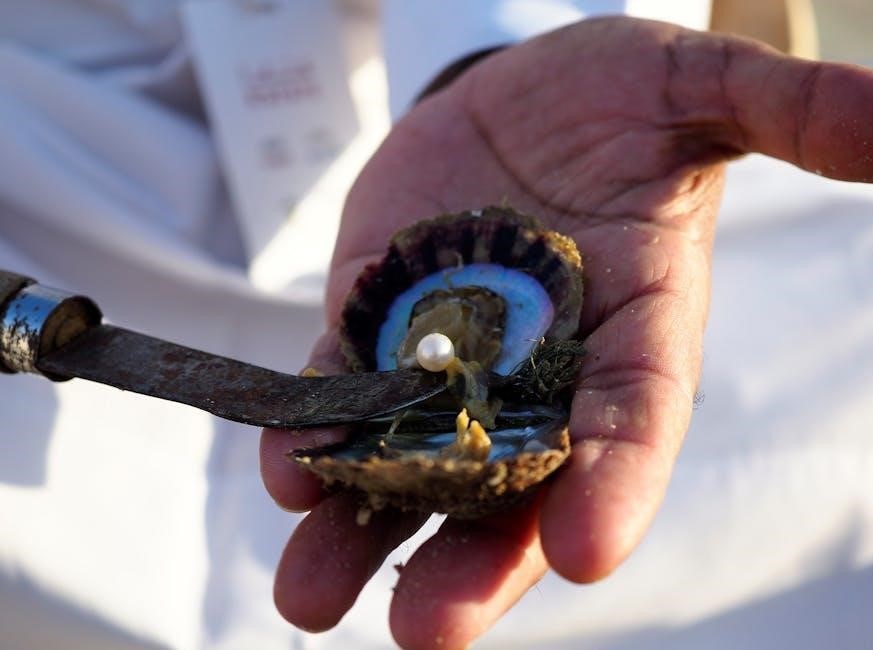
The Role of the Museum in Appraisal
The museum, guided by Gunther, elevates artifact and gem value through donations. Item histories and insights provided enhance understanding and long-term appraisal strategies.
Donating Artifacts and Gems for Value Increase
Donating artifacts and gems to the museum isn’t merely about completion; it fundamentally alters their perceived worth within the game’s economy. Gunther accepts these treasures, adding them to exhibits and unlocking valuable information.
While direct monetary gain isn’t immediate, completing museum collections unlocks rewards and contributes to overall farm progression. This indirect benefit is a crucial aspect of long-term treasure appraisal, influencing future strategies and maximizing overall profit potential.
Gunther’s Insights and Item Histories
Gunther, the museum curator, provides more than just acceptance of donations; he offers invaluable context regarding each artifact and gem. He reveals the history and significance of these items, enriching the player’s understanding of their true worth.
These insights, while not directly translating to higher sale prices, deepen appreciation and inform appraisal decisions. Understanding an item’s origin can influence whether it’s better suited for donation or profit, impacting long-term farm success.

Profession Choices Impacting Treasure Value
Selecting the right profession—Forager for increased item value or Digger for more finds—significantly impacts treasure appraisal and overall profitability in Stardew Valley.
Forager Profession: Increased Item Value
The Forager profession, at both levels 5 and 10, provides a substantial benefit to treasure appraisal. It directly increases the value of foraged items, which often includes artifacts and gems discovered while exploring.
This boost translates to higher profits when selling these treasures, or a greater contribution towards museum completion. Choosing Forager is a strategic advantage for players focused on maximizing returns from found items.
Digger Profession: Potential for More Treasure Finds
Selecting the Digger profession impacts treasure appraisal indirectly, but significantly. This profession increases the chance of discovering additional items when mining, including minerals and gems.
More frequent finds mean more opportunities for appraisal and profit. While it doesn’t increase the value of individual items, the increased volume of treasure discovered makes Digger a valuable choice for dedicated treasure hunters.

Utilizing External Resources for Appraisal
Leverage online tools like StardewList.com and stardew.app for comprehensive item databases, ID lists, and value guides to streamline your appraisal process.
Stardew Valley Item Databases (StardewList.com, stardew.app)
These invaluable resources, StardewList.com and stardew.app, offer extensive item information crucial for accurate appraisal. StardewList.com features item search by name or ID, sortable tables, and ID copying functions.
Stardew.app provides a fully-fledged perfection tracker and checklist, aiding in identifying missing treasures. Both sites are regularly updated, especially for new content like Stardew Valley 1.6, ensuring current data.
Online Calculators and Value Guides
While dedicated calculators are less prominent, the comprehensive data found on sites like StardewList.com and stardew.app effectively function as value guides. These platforms detail base item prices and potential increases from professions.
Players can manually calculate profit margins considering Forager or Digger bonuses. Regularly checking these resources ensures appraisals reflect current game mechanics and any recent updates impacting item worth.

Advanced Appraisal Techniques
Mastering appraisal involves recognizing rare variants, assessing item condition, and understanding how mods like Stardew Valley Expanded introduce unique, valuable finds.
Considering Item Condition and Completeness
Evaluating treasure beyond base value demands attention to detail. Artifacts, for instance, may have slight imperfections impacting perceived worth. Completeness is crucial; a full set of ancient coins is more valuable than individual pieces.
While Stardew Valley doesn’t explicitly track ‘condition’, recognizing potential damage or missing components informs appraisal. This nuanced approach maximizes profit when selling or donation value to Gunther.
Identifying Rare Variants and Unique Finds
Beyond standard treasure, Stardew Valley hides rare variants and unique items. Stardew Valley Expanded significantly increases the possibility of discovering these, demanding diligent searching and knowledge of new content.
Careful examination of item descriptions and comparison with databases like StardewList.com are vital. Recognizing these anomalies dramatically boosts value, whether for museum donation or lucrative sales.

The Influence of Mods on Treasure Value
Mods, like Stardew Valley Expanded, introduce new treasures, altering appraisal. Mod-specific considerations are crucial; vanilla guides may not apply to these unique finds.
Always check mod documentation for valuation details.
Stardew Valley Expanded and New Treasure Items
Stardew Valley Expanded dramatically increases treasure diversity, adding 278 character events and 43 new fish alongside countless artifacts and gems. Appraisal becomes significantly more complex, as vanilla item databases are incomplete.
Players must rely on mod-specific resources and community-driven valuation guides to accurately assess the worth of these expanded treasures; Expect unique rarities and altered base values, demanding diligent research for optimal selling or donation strategies.
Mod-Specific Appraisal Considerations
When utilizing mods, standard appraisal methods often fall short. Stardew Valley Expanded, for example, introduces items lacking entries in base-game databases. Therefore, dedicated mod wikis and community forums become essential for accurate valuation.
Consider altered drop rates, unique item properties, and potential interactions with other mods. Thorough research is crucial, as vanilla item IDs and values may not apply to modded content.
Selling vs. Donating: Maximizing Profit and Rewards
Balancing museum completion with income is key; donating unlocks rewards, while selling provides immediate profit, influenced by market fluctuations and profession choices.
The Trade-offs Between Museum Completion and Income
Donating to the museum, led by Gunther, increases item value and unlocks rewards, contributing to farm progression and story elements. However, selling treasure provides immediate gold for upgrades and necessities.
Prioritizing donations early can unlock crucial benefits, while later focusing on sales maximizes profit. Consider your current farm stage and long-term goals when deciding.
A balanced approach, donating key artifacts and selling duplicates, often yields the best overall outcome for the dedicated Stardew Valley player.
Optimizing Sales Based on Market Fluctuations
While Stardew Valley doesn’t feature dynamic pricing, understanding vendor preferences is key. Pierre generally offers standard prices, while the Traveling Cart’s stock varies, presenting potential bargains or opportunities.
Bundles and community center requests can temporarily increase demand for specific items, boosting their perceived value. Efficient inventory management and strategic timing are crucial.
Consider utilizing mods that introduce market fluctuations for a more realistic economic experience, enhancing the challenge and reward of treasure sales.

Understanding Item IDs for Appraisal
Item IDs provide precise identification, crucial for accurate appraisal, especially with mods. Resources like StardewList.com facilitate ID searches and list copying for efficient tracking.
Using Item IDs for Accurate Identification
Leveraging item IDs ensures pinpoint accuracy when appraising treasures, bypassing potential naming inconsistencies. Websites like StardewList.com allow searching by ID, streamlining the process. Copying lists of IDs, separated by commas or spaces, facilitates bulk identification and valuation.
This method is particularly valuable when dealing with numerous items or those introduced by mods like Stardew Valley Expanded, where unique IDs are essential for correct assessment.
Copying and Utilizing Item ID Lists
StardewList.com offers a convenient feature for copying item IDs, separated by commas or spaces, simplifying appraisal workflows. This functionality is incredibly useful for quickly inputting data into spreadsheets or external calculators.
Efficiently managing these lists allows for rapid valuation of large treasure hauls, especially when combined with databases and guides for Stardew Valley 1.6.

Bug Reporting and Community Resources
The official Stardew Valley forums are crucial for reporting glitches impacting appraisal, while community feedback refines methods and identifies inconsistencies.
Active participation ensures a smoother, more accurate treasure-hunting experience for all players.
Official Stardew Valley Forums for Bug Reporting
When encountering issues with treasure valuation, the official Stardew Valley forums serve as the primary hub for detailed bug reports.
Clearly document the item, appraisal method, and observed discrepancy. Remember, if mods are in use, post within the dedicated “Mod Support” section to avoid confusion.
Providing comprehensive information accelerates the identification and resolution of problems, benefiting the entire community and improving appraisal accuracy.
Community Feedback on Appraisal Methods
Engaging with the Stardew Valley community offers invaluable insights into appraisal techniques and emerging strategies.
Share your methods, discuss discrepancies, and learn from others’ experiences. Platforms like Reddit and Discord foster collaborative problem-solving regarding item valuation.
Constructive feedback refines appraisal approaches, identifies overlooked details, and ensures a collective understanding of treasure worth within the game.
Cheats and Console Commands for Appraisal (Caution!)
Console commands like /h and /help reveal item values, but using cheats risks save corruption and diminishes the rewarding experience of discovery;
Using Console Commands to Inspect Item Values
Accessing the in-game console (typically with `/`) allows players to input commands for debugging and information retrieval. While not officially supported for regular gameplay, commands exist to reveal hidden item data.
Specifically, commands like `/h` and `/help` display available options. Though direct value inspection isn’t explicitly listed, exploring these commands and community resources may uncover methods for viewing item properties. Remember, using these tools carries inherent risks to save integrity.
Risks and Limitations of Using Cheats
Employing console commands or external cheats can compromise save file integrity, potentially leading to crashes or corruption. These methods bypass intended game mechanics, diminishing the sense of accomplishment derived from legitimate treasure hunting.
Furthermore, using cheats may disable achievements or conflict with modded gameplay. While helpful for quick appraisal, reliance on these tools detracts from the core Stardew Valley experience and should be approached cautiously.
Long-Term Treasure Appraisal Strategies
Successful long-term appraisal involves anticipating updates, adapting to value shifts, and consistently tracking collections using tools like stardew.app for optimal results.
Planning for Future Updates and Content
ConcernedApe’s history suggests significant, yet infrequent, updates to Stardew Valley. Players should remain flexible, as new content – like that added by Stardew Valley Expanded – introduces novel treasures and alters existing valuations.
Regularly checking official forums for bug reports and community feedback is crucial. Anticipate potential value adjustments and maintain a broad understanding of item identification methods to stay ahead.
Adapting to Changes in Item Values
Post-update, item values can shift dramatically. Utilize resources like StardewList.com and stardew.app to quickly recalibrate your appraisal strategies. Monitor the official Stardew Valley forums for community-discovered changes and emerging trends.
Be prepared to re-evaluate donation versus sale decisions, factoring in new profession bonuses or mod-introduced items. Flexibility is key to maximizing long-term gains.
Profession Level 5 & 10 Choices
Optimal skill professions, like Forager for increased item value, significantly impact treasure profits. Carefully consider level 5 and 10 choices for maximum returns.
Strategic selection boosts earnings and streamlines treasure hunting efficiency.
Optimal Skill Professions for Treasure Hunting
Foraging and Mining professions offer distinct advantages. The Forager profession boosts item value, directly increasing profits from found treasures. Conversely, the Digger profession enhances the frequency of treasure discoveries, potentially yielding more items overall.
Choosing between these depends on your playstyle; prioritize value with Foraging or quantity with Digging. Consider how these bonuses synergize with other aspects of your farm and long-term goals within Stardew Valley.
Maximizing Profits with Skill-Based Bonuses
Leveraging skill-based professions is crucial for profit. The Forager profession’s increased item value directly translates to higher earnings when selling discovered treasures. Strategically selling during periods of favorable market fluctuations further amplifies these gains.
Combining profession bonuses with careful timing and utilizing item databases to understand current prices allows players to optimize their treasure-selling strategy for maximum income in Stardew Valley.

Perfection Tracker Impact on Treasure
Utilizing perfection trackers, like stardew.app, identifies missing treasures, ensuring complete museum donations and unlocking bonus rewards for dedicated collectors in Stardew Valley.
Using Perfection Trackers to Identify Missing Treasures
Perfection trackers, such as stardew.app, are invaluable tools for identifying treasures yet to be discovered or donated. These checklists meticulously catalog all collectables, highlighting gaps in your museum contributions.
By systematically reviewing these trackers, players can pinpoint specific artifacts and gems needed for completion, streamlining treasure hunts and maximizing rewards tied to achieving perfection within the game.
Completing Collections for Bonus Rewards
Museum completion offers substantial rewards beyond mere monetary value. Donating entire artifact and gem collections unlocks unique benefits, enhancing the farm and providing a sense of accomplishment.
Perfection trackers aid in identifying missing pieces, accelerating collection completion. These rewards often include access to new areas or interactions, enriching the overall Stardew Valley experience.

Future of Treasure Appraisal in Stardew Valley
Anticipate potential updates introducing new treasures and refining appraisal methods, aligning with community expectations for improved item identification and valuation systems.
Potential Updates and New Treasure Items
Considering ConcernedApe’s development pace, substantial treasure additions might arrive years after major updates like 1.6. Stardew Valley Expanded demonstrates the community’s appetite for expanded content, hinting at possibilities for future official treasure expansions.
These could include new artifact categories, gem types, or mineral variations, demanding updated appraisal strategies and potentially necessitating revisions to existing item databases and value guides.
Community Expectations for Appraisal Improvements
Players actively seek more robust in-game appraisal tools, beyond basic sell prices. The official Stardew Valley forums are filled with requests for detailed item histories, similar to Gunther’s insights, accessible to the player directly.
Expectations include improved perfection trackers (like stardew.app) and clearer identification of rare variants, fostering a more engaging treasure hunting experience and reducing reliance on external resources.