Greenhouse Instructions: A Comprehensive Guide
Embark on a journey to year-round gardening! This guide details building small greenhouses – from kits to DIY PVC or wood structures, maximizing space and yield.
Greenhouse gardening extends the growing season, offering a controlled environment for cultivating plants regardless of external weather conditions. Whether you’re a seasoned gardener or a beginner, a greenhouse unlocks possibilities for nurturing seedlings, protecting delicate plants, and enjoying fresh produce year-round.
From compact patio greenhouses to larger backyard structures, options cater to diverse spaces and budgets. You can purchase ready-made kits for convenience or embrace a DIY approach using materials like PVC pipe or wood. Understanding basic greenhouse principles – sunlight, ventilation, and temperature control – is crucial for success.
This guide provides a comprehensive overview, empowering you to create a thriving greenhouse garden tailored to your needs and climate.
Benefits of Using a Greenhouse
Greenhouses offer numerous advantages for plant cultivation. Primarily, they extend the growing season, allowing for earlier starts and later harvests, bypassing typical seasonal limitations. A controlled environment protects plants from harsh weather – frost, excessive heat, strong winds, and heavy rain – minimizing damage and maximizing yields.
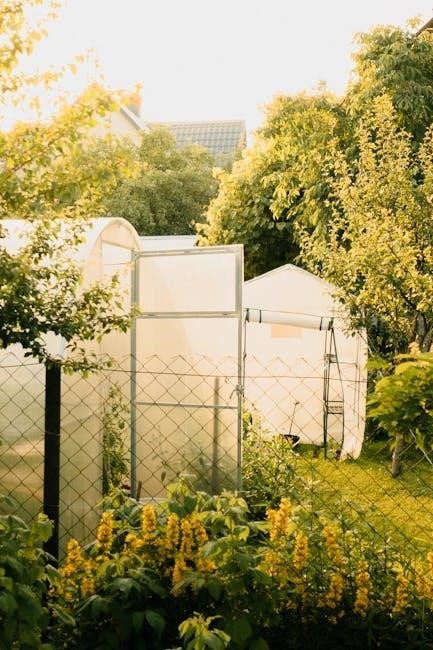
Furthermore, greenhouses provide protection from pests and diseases, reducing the need for chemical interventions. They also enable cultivation of plants that might not thrive in your local climate. Whether a small patio greenhouse or a larger structure, you gain greater control over temperature, humidity, and light, fostering optimal growing conditions.
Greenhouse Types: Choosing the Right One
Selecting the ideal greenhouse depends on your space, budget, and gardening goals. Ready-made kits offer convenience, ranging from mini greenhouses for patios to larger walk-in models. For a custom approach, DIY options are excellent – PVC pipe greenhouses are affordable and relatively easy to construct, while wooden-framed greenhouses provide a more robust and aesthetically pleasing structure.
Consider small-space solutions like patio greenhouses or balcony greenhouses if space is limited. Alternatively, enclosing a small sunny area can create a microclimate for sensitive plants. Evaluate your needs carefully before investing!
Ready-Made Greenhouse Kits
Ready-made greenhouse kits provide a convenient and often quicker route to greenhouse gardening. These kits come in various sizes and materials, catering to diverse needs and budgets. Compact greenhouse kits, including mini and walk-in models, are perfect for smaller spaces like patios or balconies.
Kits typically include the frame, glazing, and sometimes even ventilation systems. Ensure the chosen kit is protected from high winds and has easy access to a water source for efficient operation. They simplify construction, making greenhouse ownership accessible to beginners.
DIY PVC Pipe Greenhouses
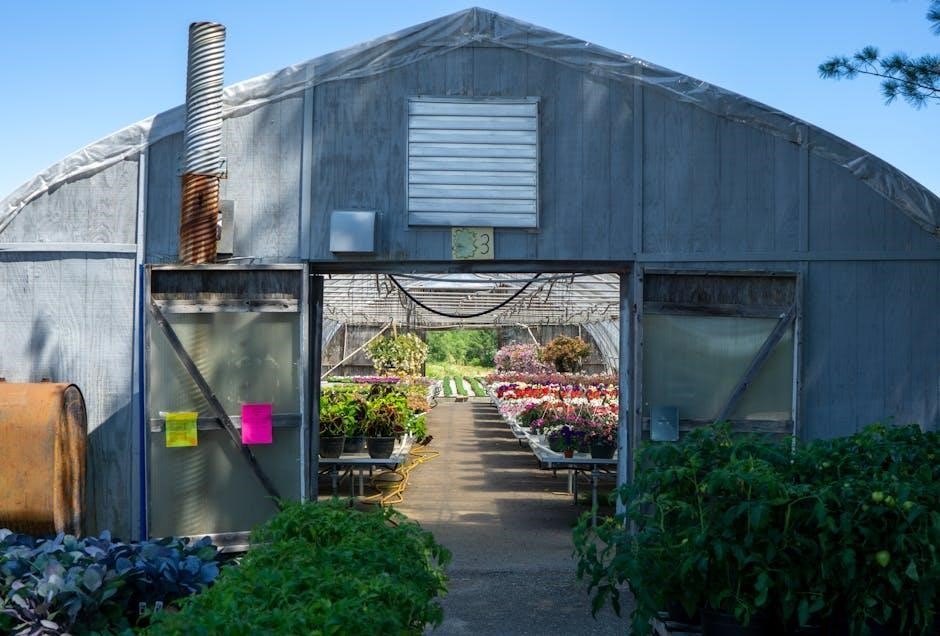
Constructing a greenhouse with PVC pipe offers an affordable and customizable solution for gardeners. PVC is lightweight, easy to work with, and relatively inexpensive, making it ideal for DIY projects. These structures are particularly well-suited for smaller backyards, patios, or balconies where space is limited.
Building with PVC involves creating a frame and covering it with plastic sheeting. Ensure the structure is securely anchored and protected from strong winds. PVC greenhouses are a fantastic entry point into greenhouse gardening, offering a balance of cost-effectiveness and functionality.
Wooden Framed Greenhouses
Wooden framed greenhouses provide a classic aesthetic and robust construction, offering excellent durability and insulation. While requiring more effort than PVC, wood allows for greater design flexibility and a more traditional look. Selecting treated lumber is crucial to resist rot and extend the greenhouse’s lifespan.
Consider using particle board for skirting, a cost-effective option for the base. Wood framing can be combined with various glazing materials, offering customization. These greenhouses are ideal for gardeners seeking a long-lasting and visually appealing structure, blending functionality with garden charm.
Site Selection: Location, Location, Location
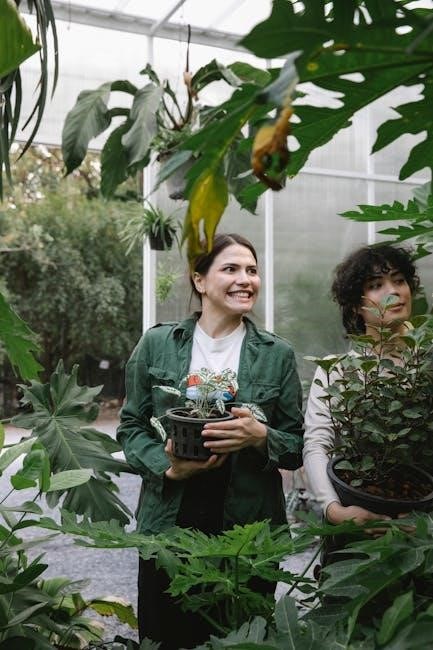
Choosing the right location is paramount for greenhouse success. Ensure protection from high winds – a sheltered spot will minimize damage and maintain consistent temperatures. Easy access to water is essential for efficient irrigation, reducing hauling efforts. Prioritize a site receiving ample sunlight throughout the day, maximizing plant growth potential.
Consider the surrounding environment; avoid areas shaded by trees or buildings. A level surface simplifies foundation construction. Thoughtful site selection optimizes greenhouse performance, contributing to a bountiful and enjoyable gardening experience.
Sunlight Requirements
Optimal sunlight exposure is crucial for thriving greenhouse plants. Most plants require at least six hours of direct sunlight daily, though specific needs vary. Position your greenhouse to maximize southern exposure in the Northern Hemisphere, and northern exposure in the Southern Hemisphere.
Consider seasonal changes in the sun’s path; winter sun is lower in the sky. Avoid shading from trees or buildings. Supplemental lighting may be necessary during cloudy periods or shorter days, ensuring consistent growth and preventing leggy plants. Careful planning guarantees sufficient light for a productive greenhouse.
Wind Protection
Protecting your greenhouse from strong winds is paramount for structural integrity and plant health. Site selection should prioritize natural windbreaks like hedges or existing structures. If natural barriers are lacking, consider constructing a windbreak using fencing or strategically planted trees.
Ensure the greenhouse is securely anchored to the ground, especially in exposed locations. Reinforce framing and glazing to withstand wind pressure. Regularly inspect for damage and make repairs promptly. A sheltered location minimizes stress on the structure and prevents plant damage from windburn or breakage.
Water Access
Convenient water access is crucial for efficient greenhouse management. Locate your greenhouse near a water source to simplify watering tasks. Consider installing a dedicated water line directly to the greenhouse for ease of use, especially for larger structures.
Rainwater harvesting systems offer a sustainable and cost-effective watering solution. Implement drip irrigation or soaker hoses to deliver water directly to plant roots, minimizing water waste and disease risk. Ensure proper drainage to prevent waterlogging and maintain optimal growing conditions. Easy access saves time and effort!
Greenhouse Foundation Options
A solid foundation is vital for greenhouse stability and longevity. Several options exist, each with unique benefits. Above-ground foundations are simpler to construct, often utilizing gravel or concrete blocks for leveling. For enhanced insulation and stability, consider partially in-ground foundations, digging approximately 3 feet deep.
This depth provides thermal mass, moderating temperature fluctuations. Ensure proper drainage with these foundations. Support posts are essential, and cheaper particle board can create skirting. Careful planning and preparation are key to a durable and effective greenhouse base, ensuring years of successful gardening.
Above-Ground Foundations
Above-ground foundations offer a straightforward approach to greenhouse construction, prioritizing ease of installation. Typically, these foundations utilize a leveled base of gravel or concrete blocks, providing a stable surface. This method minimizes ground disturbance and is suitable for various terrains.
However, remember that above-ground structures may require additional bracing to withstand strong winds. Proper leveling is crucial to prevent instability. While simpler, these foundations offer less thermal mass compared to in-ground options, potentially requiring more heating during colder months. Careful consideration of site conditions is essential.
Partially In-Ground Foundations (3-Foot Depth)
Digging your greenhouse approximately three feet into the ground provides significant advantages. This depth leverages the earth’s consistent temperature, offering enhanced thermal mass for natural heating and cooling. It also dramatically increases stability, resisting strong winds more effectively than above-ground options.
Constructing a partially in-ground foundation requires more excavation, but the benefits are substantial. Consider using cheaper particle board for skirting above ground level. Proper drainage is vital to prevent water accumulation. This method creates a more stable and energy-efficient growing environment.
Framing Materials: Pros and Cons
Choosing the right framing material is crucial for a durable greenhouse. PVC pipe framing is lightweight, affordable, and easy to work with, making it ideal for DIY projects. However, it offers less structural strength compared to other options.
Wood framing provides excellent stability and a natural aesthetic, but requires more maintenance to prevent rot and decay. Support posts are essential for added strength. Remember that the skirt can be constructed from cost-effective particle board. Carefully weigh the pros and cons of each material based on your budget and skill level.
PVC Pipe Framing
PVC pipe offers a budget-friendly and accessible framing solution for smaller greenhouses, particularly for backyard, patio, or balcony setups. Its lightweight nature simplifies construction, requiring minimal tools and expertise. Compact greenhouse kits often utilize PVC, or you can build a custom frame tailored to your space.
However, remember that PVC’s structural integrity is lower than wood or metal. Reinforce joints securely and consider adding support posts for increased stability, especially in windy locations. Proper planning and execution are key to building a lasting PVC greenhouse frame.
Wood Framing
Wood provides a robust and aesthetically pleasing option for greenhouse framing, offering superior strength compared to PVC. It’s well-suited for larger or more permanent structures, allowing for greater design flexibility. While requiring more skill and investment than PVC, wood frames can withstand significant wind and weather.
Consider using treated lumber to resist rot and decay, extending the greenhouse’s lifespan. Support posts are crucial for stability, and a particle board skirt can provide a cost-effective base. Careful planning and precise cuts are essential for a structurally sound wooden frame.
Particle Board Skirting
Particle board offers an economical solution for greenhouse skirting, creating a barrier against drafts and pests at ground level. It’s a lighter-weight alternative to wood, simplifying installation and reducing overall construction costs. However, particle board is susceptible to moisture damage, so proper sealing and protection are vital.
Consider applying a waterproof coating or using it in conjunction with a gravel base for improved drainage. It’s best suited for temporary or smaller greenhouses where longevity isn’t a primary concern. Support posts can anchor the particle board effectively.
Glazing Materials: Covering Your Greenhouse
Selecting the right glazing is crucial for light transmission, insulation, and durability. Polyethylene film is the most affordable option, ideal for temporary or budget-conscious builds, but requires frequent replacement. Polycarbonate panels offer superior impact resistance and insulation, lasting much longer than film.
Glass provides excellent clarity and longevity, though it’s heavier and more prone to breakage. Consider the climate; polycarbonate is often preferred in areas with harsh weather. Proper sealing around the glazing material is essential to minimize heat loss and maintain a stable internal environment.
Ventilation: Maintaining Optimal Temperature
Effective ventilation is paramount for preventing overheating and humidity buildup within your greenhouse. Stagnant air can foster disease and hinder plant growth. Simple options include manually operated vents – roof vents are particularly effective as hot air rises. Automatic vent openers react to temperature changes, providing hands-free control.
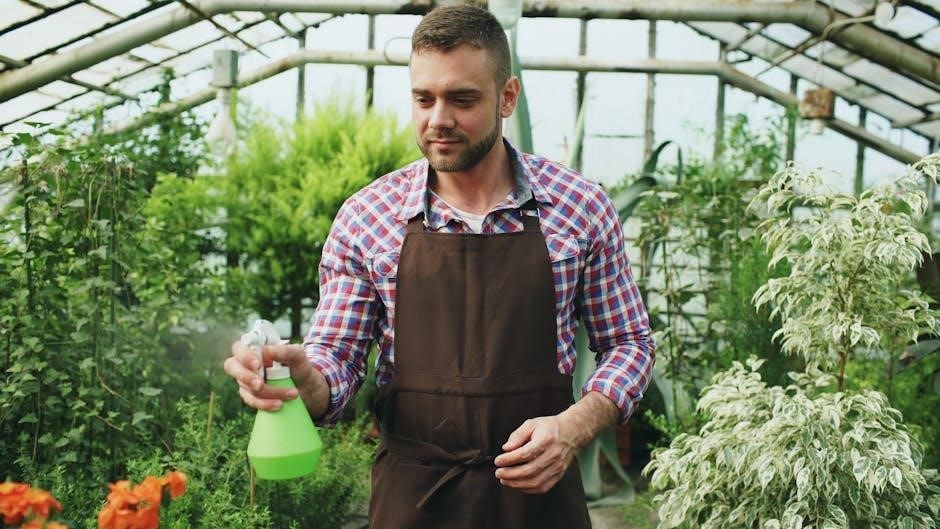
Consider incorporating side vents for cross-ventilation, enhancing airflow. Fans can supplement natural ventilation, especially in larger greenhouses or during calm weather. Proper ventilation ensures a healthy environment, promoting robust plant development and maximizing yields.
Heating and Cooling Systems
Maintaining consistent temperatures is crucial, especially during transitional seasons. For heating, options range from electric heaters and propane/natural gas heaters to more sustainable choices like geothermal systems. Cooling solutions include evaporative coolers (swamp coolers) and shade cloth to reduce direct sunlight.
Automated systems with thermostats offer precise temperature control. Consider thermal mass – materials like water barrels or dark-colored bricks – to absorb heat during the day and release it at night. Proper heating and cooling extend your growing season and protect plants from extreme weather.
Soil and Growing Mediums
Selecting the right growing medium is vital for greenhouse success. Traditional garden soil can be used, but often a soilless mix provides better drainage and aeration. Popular choices include peat moss, perlite, vermiculite, and coco coir. Consider the specific needs of your plants when choosing a medium.
Ensure good drainage to prevent root rot. Raised beds or containers are excellent options. Regularly amend the soil with compost or other organic matter to replenish nutrients. Sterilizing the soil before planting can help eliminate pests and diseases, promoting healthy plant growth.
Watering Systems for Greenhouses
Efficient watering is crucial within a greenhouse environment. Manual watering with a hose or watering can works for smaller setups, but larger greenhouses benefit from automated systems. Drip irrigation delivers water directly to the roots, minimizing waste and reducing humidity. Overhead sprinklers are another option, but can increase disease risk.
Consider a timer for automated systems to ensure consistent moisture levels. Monitor soil moisture regularly to avoid over or under-watering. Rainwater harvesting can provide a sustainable water source, reducing costs and environmental impact.
Pest and Disease Control in Greenhouses
Greenhouses, while protective, can harbor pests and diseases due to the warm, humid environment. Regular inspection of plants is vital for early detection. Introduce beneficial insects like ladybugs to control aphids and other pests naturally. Ensure good ventilation to reduce humidity, minimizing fungal diseases.
Practice crop rotation and remove any infected plant material promptly. Consider using organic pesticides or fungicides as a last resort, following label instructions carefully. Maintaining cleanliness within the greenhouse is paramount for prevention.
Extending the Growing Season
A greenhouse’s primary benefit is extending your growing season, allowing cultivation beyond natural climate limitations. Start seeds earlier in spring, providing a head start for warm-weather crops. Continue harvesting late into fall and even winter with appropriate heating.
Protect sensitive plants from frost and harsh weather. Utilize the greenhouse to cultivate crops typically unsuitable for your region. Careful temperature regulation and supplemental lighting maximize productivity throughout the year, ensuring a continuous harvest.
Small-Space Greenhouse Solutions
Limited space doesn’t preclude greenhouse gardening! Explore compact options like patio greenhouses – readily available as kits – perfect for decks or small yards. Balcony greenhouses offer a similar solution for apartment dwellers.
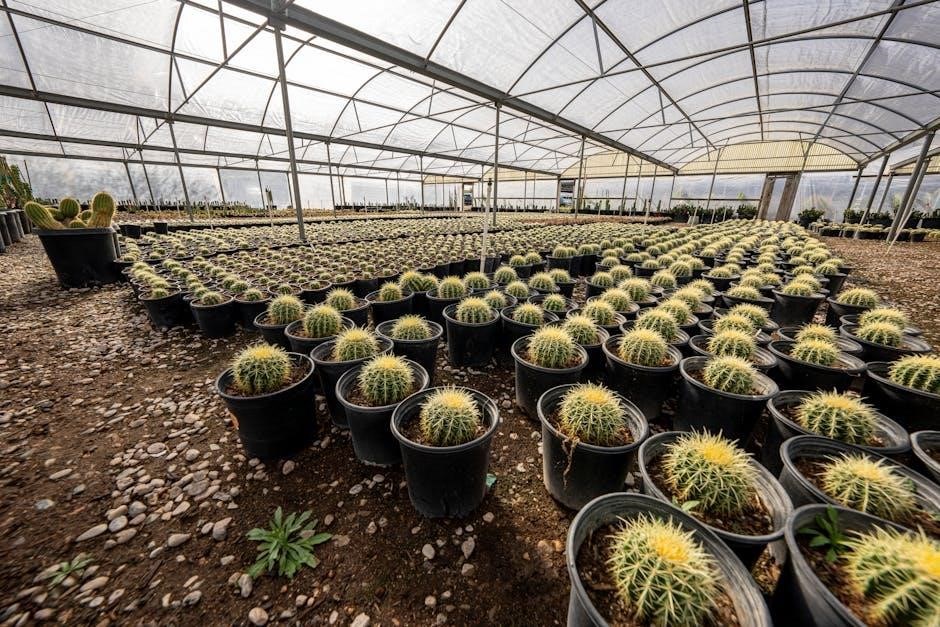
Alternatively, creatively enclose a small, sunny area using materials like pots, bricks, or clay tiles to retain heat and shield plants from wind. These DIY approaches provide a microclimate for successful growing, even without a traditional structure. Consider your available space and sunlight when choosing.
Patio Greenhouses
Patio greenhouses are ideal for gardeners with limited yard space; These compact structures, often available as ready-made kits, provide a controlled environment for starting seeds, extending the growing season, and cultivating sensitive plants.
Look for models designed for easy assembly and portability. Ensure the location is protected from strong winds and has convenient access to water. Consider the size carefully, balancing growing needs with available patio space. They offer a fantastic entry point into greenhouse gardening!
Balcony Greenhouses
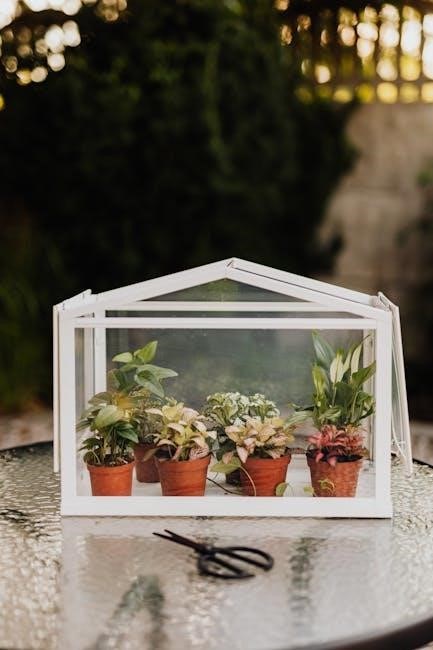
Balcony greenhouses offer a unique solution for urban gardeners. These smaller-scale structures, often lightweight and designed for vertical spaces, allow you to cultivate plants even without a yard. Prioritize safety and stability when selecting a balcony greenhouse, ensuring it can withstand wind and weight.
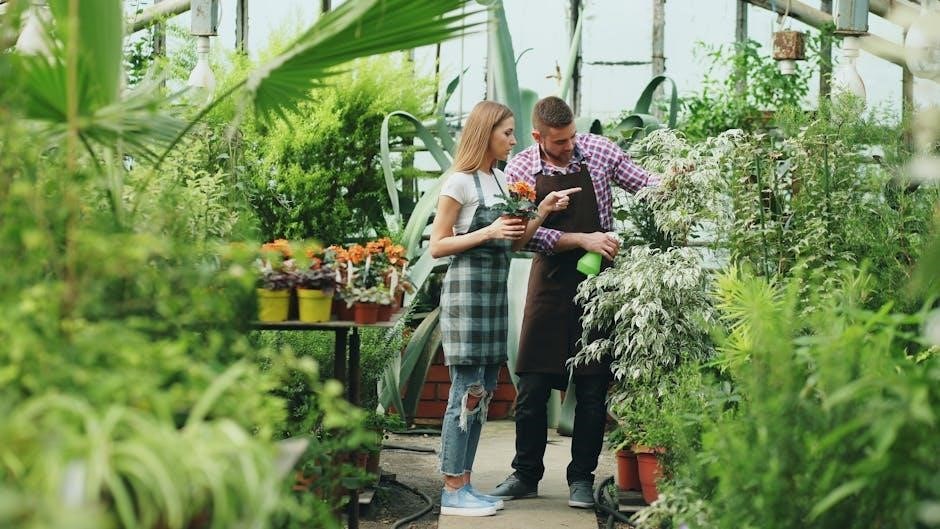
Consider compact, portable models or explore enclosing a small, sunny balcony area with pots and materials like bricks to retain heat. Careful planning is key to maximizing space and enjoying fresh produce or beautiful blooms!
Enclosing Small Sunny Areas
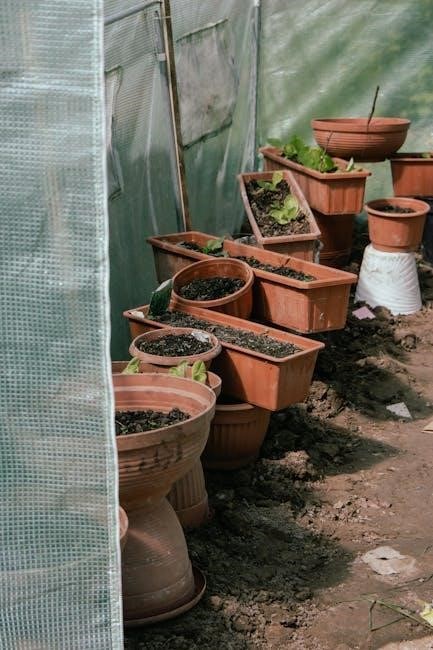
Transform underutilized spaces into thriving micro-greenhouses! Enclosing a small, sunny area – a patio corner or sheltered nook – is a cost-effective way to extend the growing season. Utilize materials like pots, bricks, or clay tiles to create a protective barrier against chilly breezes.
These materials cleverly retain heat, raising the ambient temperature and fostering optimal plant growth. This simple technique provides a sheltered environment, perfect for starting seedlings or nurturing temperature-sensitive plants, maximizing your gardening potential.
Greenhouse Construction: Step-by-Step Guide
Begin with a solid foundation, choosing between above-ground or partially in-ground options – digging three feet down offers enhanced stability and temperature regulation. Next, erect the framing, utilizing durable materials like PVC pipe or wood, ensuring structural integrity.
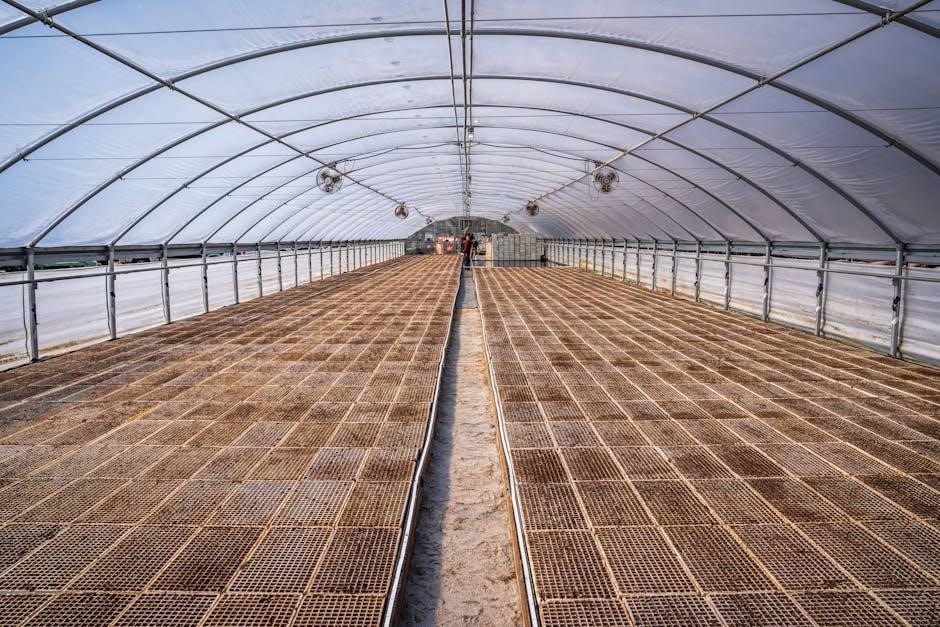
Subsequently, cover the frame with appropriate glazing materials. Don’t forget essential features like ventilation and access to water. Regularly maintain your greenhouse, addressing any structural issues promptly to ensure a thriving growing environment for years to come.
Maintaining Your Greenhouse
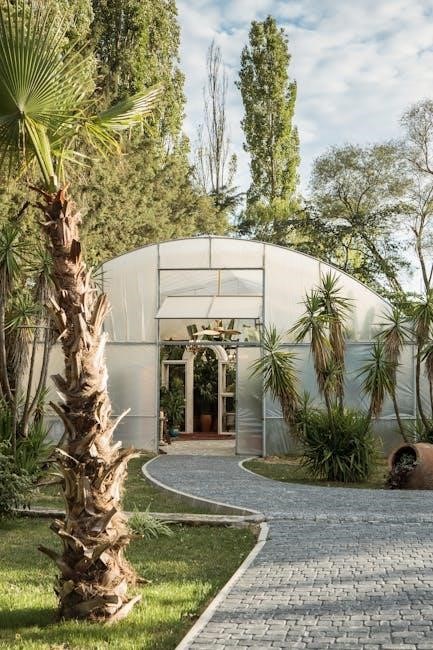
Regular inspections are crucial for a thriving greenhouse. Check framing materials – PVC or wood – for damage and address promptly. Ensure glazing remains intact, maximizing light penetration and insulation. Consistent ventilation is key to temperature control, preventing overheating or excessive humidity.
Monitor for pests and diseases, implementing preventative measures. Clean surfaces regularly to minimize pathogen buildup. A well-maintained greenhouse extends the growing season and safeguards your plants, ensuring bountiful harvests and a flourishing garden space year-round.